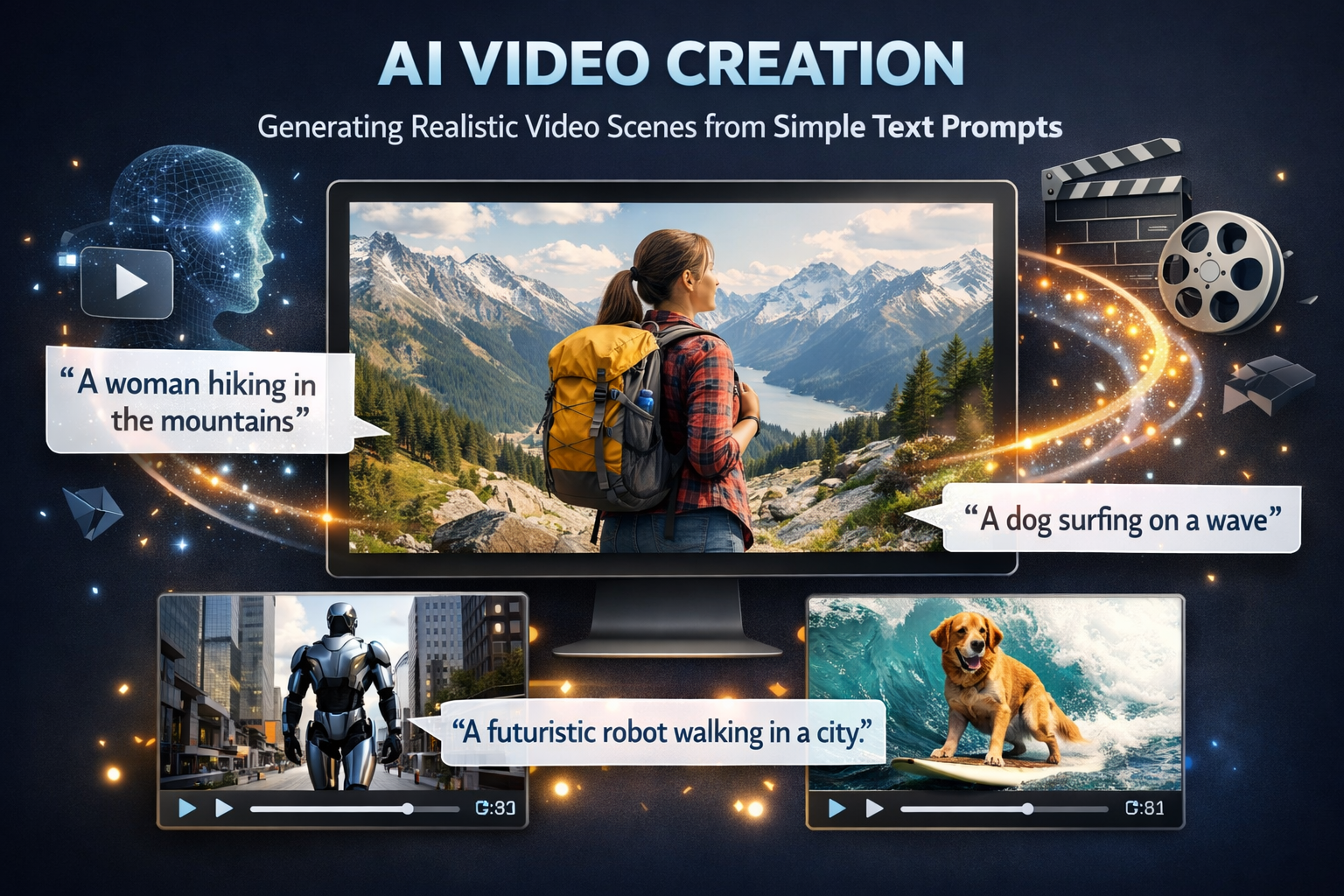
The digital content industry is experiencing an enormous change, which is facilitated by the high rate of development of artificial intelligence. AI-generated video is one of the most innovative inventions in this field. Such tools as OpenAI Sora are reinventing the process of creating, editing, and watching videos. Marketers and filmmakers, and even social media creators are all seeing a transformation towards quicker, smarter and more accessible video creation.
The Emergence of Artificial Intelligence in Video Making.
Video creation was traditionally a complicated and resource-intensive task, but with the advent of Artificial Intelligence, it has already become the revolution of text and image creation. Video creation in the traditional way involves scripting, shooting, editing, and post-production- in most cases, it may need a number of professionals and a budget that is huge.
Now, using AI-based applications such as OpenAI Sora, anybody can create high-quality videos by typing descriptive instructions. This has been a big jump to video production whereby individuals and small companies have been able to compete with big production houses.
Major Factors that have contributed to the growth.
This explosion is primarily caused by increased demand on video content on all platforms, the swift expansion of short-form video such as reels and shorts, ongoing developments in deep learning, and the necessity to produce more content at a faster and cheaper rate.
Introduction to OpenAI Sora and Its Workflow.
The OpenAI Sora is a sophisticated AI that creates a video based on text prompts to look realistic. It is based on deep learning, which comprehends scenes, movement, light, and the environment and creates videos that appear all too real.
How It Works
Text-to-video can also be used, in which one describes a scene and the AI creates a visual representation. Scene analysis assists the model to analyze objects, scenes and the connection between various elements. Motion simulation makes the movement of the video look natural and adhering to the laws of the real world, and the result is more realistic and lifelike.
Effects on Content Creators.
Video that is produced by AI is a revolution to the creators in different sectors. It enables quicker production with the content that used to take days to be produced in minutes. The other significant benefit is cost efficiency since creators do not have to use costly equipment or huge groups of people. The freedom of creativity has also been increased and this allows users to test their ideas which would be hard to capture in real life. Above all, it has become more accessible and even novices with no technical knowledge can make professional-quality videos.
Industries Being Transformed
Influencers are not the only example of users who are affected by AI video applications; various industries are being affected. Within the framework of marketing and advertising, a brand can generate personalized ads within a short period of time and target various audiences, enhancing their engagement and conversions. Film and entertainment Creators are using AI to storyboard, pre-visualize, and even generate entire scenes, which are saving time and cost in production. The education sector is not left behind because AI-generated videos are making the learning process more exciting and comprehensible. On social media, makers are creating content at a much higher rate, which is assisting them to remain relevant in the rapidly changing digital world.
The Future of AI Video Generating.
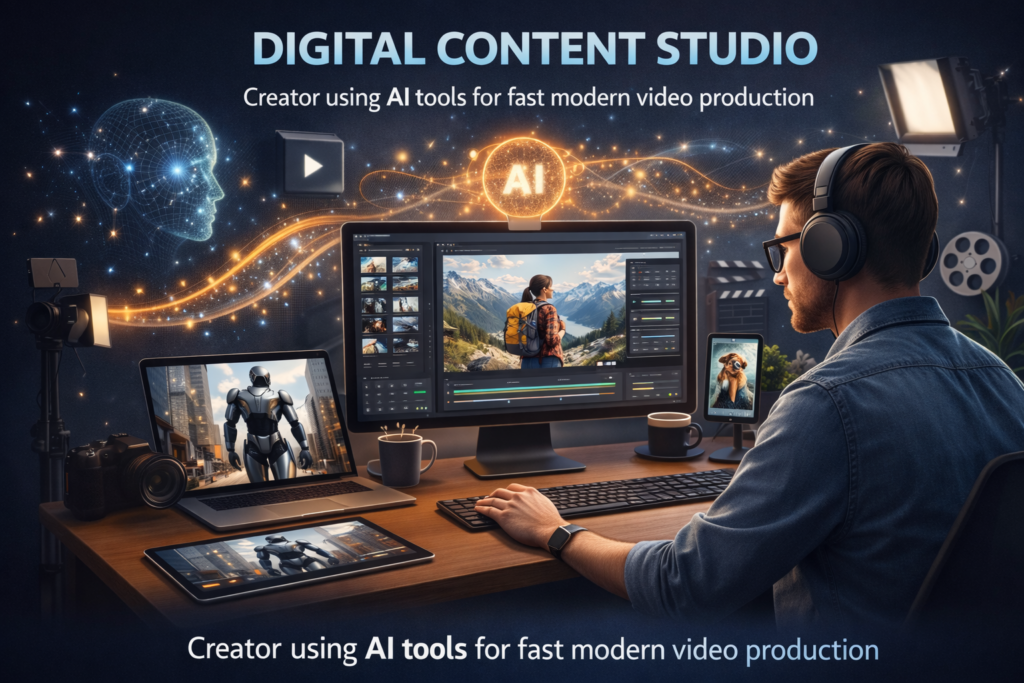
The future of AI-created video is very bright as tools such as OpenAI Sora are being constantly improved. In the near future, AI can create longer, detailed and more realistic videos that are more consistent. Video generation in real time will enable the producers to generate and edit content in real-time, which would be suitable in live stream and rapid content production cycles. The AR and VR integration will lead to immersive experiences, and hyper-personalization will make it possible to create videos that appeal to a particular viewer. Such developments will transform the process of content creation and consumption in the near future.
Difficulties and Moral Issues.
Although it has some benefits, AI-generated video has significant challenges. The emergence of deepfakes and misinformation is perceived as one of the biggest issues because realistic videos can be used. There are also copyright and ownership concerns where there has always been debate on who owns AI generated contents. Moreover, automation can have an effect on traditional employment within video production where professionals will have to adjust themselves to new employment. Quality control is also a problem since AI-generated content can be inaccurate in some cases. It will be important that the future of AI video is addressed by proper regulations and ethical practices to address these concerns.
Conclusion
The AI-generated video is blasting off and the content creation industry is undergoing changes in a strong manner. Such tools as OpenAI Sora are making the video-making process quicker, cheaper, and available to all. Although such issues as ethics and job disruption are still present, the benefits may be much higher. Since AI technology is only going to expand, it will not take away the ability of creativity in humans but will make the process of executing their ideas simpler than ever before by providing the creators with the means to do so.
FAQs
1. What is AI-generated video?
AI-generated video refers to a generated content that is produced through artificial intelligence by using text prompts or data inputs without actual filming.
2. What is OpenAI Sora?
OpenAI Sora is an artificial intelligent application capable of creating realistic videos based on the description using only text.
3. Is AI video making costly?
No, the AI video tools tend to be cheaper than the traditional video production processes.
4. Is it possible to substitute human creators with AI?
There are uses of AI to automate, however, human creativity, narrative, and emotional intelligence are still needed.
5. What are the risks of AI-generated videos?
Deepfakes, misinformation, copyright, and the possible abuse of technology can be classified as the primary risks.